Anthropocene: How Our Actions Shape Earth's Future
The good news is that we can still act to reverse this damage and protect the planet.
Advertisements
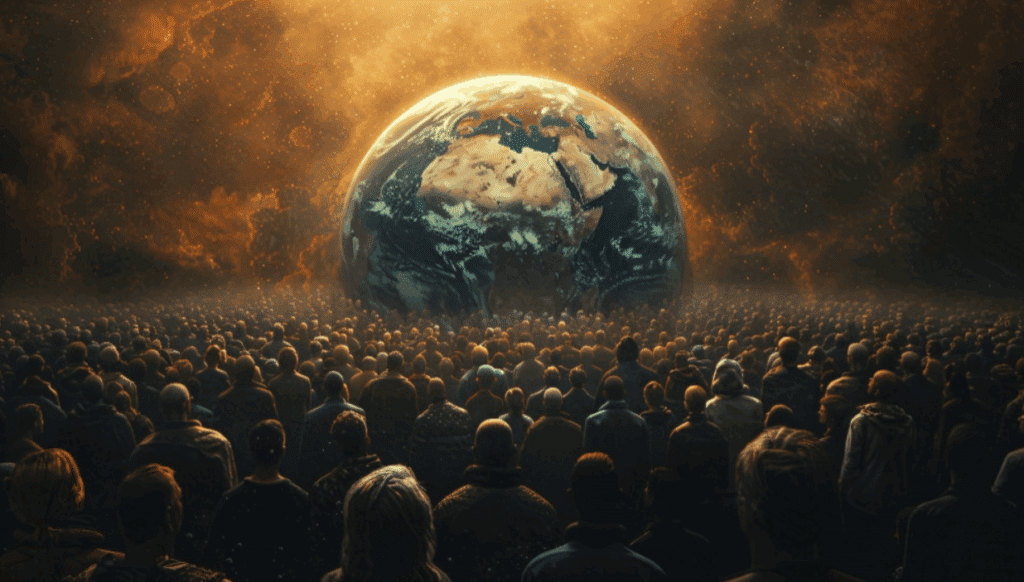
The Anthropocene isn't just a pretty name, it's the reality of the world we live in. Human actions are changing the planet like never before, accelerating global warming, destroying ecosystems, and depleting resources. Meanwhile, consumption grows unchecked, and nature pays the price.
Amidst this chaos, understanding the Anthropocene makes all the difference. We can't ignore the impacts of pollution, deforestation, and climate change. Every choice influences the future, and postponing this conversation only makes things worse. Learn more below!
What is the Anthropocene and why does this term matter?
The term emerged in the early 2000s, when scientists realized that changes caused by human activities had left permanent marks on Earth. Unlike other geological eras, the main driver of transformation is now not nature, but human action.
This new phase is characterized by changes in climate, biodiversity, and natural cycles. In fact, the excessive use of fossil fuels has intensified global warming, while chemical pollution has even altered the composition of the oceans.
Furthermore, accelerated deforestation and rampant urbanization are affecting the balance of ecosystems. Thus, the impact of the Anthropocene can already be seen in ice sheets, ocean sediments, and the atmosphere.
In fact, the presence of plastics, industrial waste and radioactivity are concrete proof that this era is marked by unprecedented human interference.
When did it begin? Different theories about its origins
Some scientists point to the Industrial Revolution as a starting point, since the burning of coal and oil intensified greenhouse gas emissions. Others argue that the turning point came with agriculture, when humanity began altering natural landscapes on a large scale.
There's also a more recent theory: the explosion of the atomic bombs left radioactive traces in the planet's geology. This hypothesis is strengthened because radioactive elements spread through the atmosphere and were deposited in sedimentary layers.
Regardless of the exact moment, the Anthropocene has already left irreversible marksIn other words, glaciers melt, species disappear, and pollutants accumulate in the oceans. Each year, these changes become more evident, reinforcing that human action has permanently transformed the planet's balance.
Main impacts on the environment
The Anthropocene has left profound scars on the environment. Undoubtedly, accelerated deforestation has eliminated entire forests, affecting CO₂ absorption and destroying natural habitats. Without these green areas, the climate balance has been disrupted, favoring droughts, floods, and extreme temperatures.
Pollution has also grown at an alarming rate. In other words, rivers and oceans were taken over by plastics, heavy metals, and chemicals that harm marine life. Furthermore, soil contamination from pesticides and industrial waste has reduced soil fertility and compromised food quality.
Another visible impact is the extinction of species. After all, uncontrolled hunting, ecosystem destruction, and climate change have reduced entire animal and plant populations. This imbalance alters food chains and compromises biodiversity.
The role of industrialization and consumption
Since the Industrial Revolution, the massive use of coal and oil has generated enormous greenhouse gas emissions, warming the planet. Furthermore, the large-scale production of goods has led to increased waste and pollution, especially in large cities.
Obviously, consumption also accelerated changes. In fact, the relentless pursuit of natural resources has depleted ecosystems and increased pressure on natural habitats. Disposable products and the 'use and throw away' culture have also contributed to the accumulation of waste on the planet.
In this sense, the combination of these factors has altered the dynamics of many natural processes. Unfortunately, nature hasn't had time to adapt to the accelerated pace imposed by human activities. And the consequences are more evident every year.
Anthropocene and pollution
The burning of fossil fuels for energy generation, transportation, and industry emits large amounts of CO₂ and other pollutants, exacerbating global warming. Furthermore, the toxic gases released contaminate the air and affect public health, especially in urban areas.
Another major problem is plastic pollution. As we mentioned, the indiscriminate use of disposable plastics has led to the contamination of oceans, rivers, and soil. Microplastics have been found in food, drinking water, and even the air. These residues affect marine life.
In fact, chemicals such as pesticides and heavy metals accumulate in the environment and affect both natural ecosystems and agriculture. These pollutants impact the health of soils, plants, and humans themselves, creating a cycle that's difficult to break.
Climate change as a direct consequence
Rising greenhouse gas emissions, primarily from the burning of fossil fuels, have raised global temperatures. This alters weather patterns, causing more intense phenomena such as hurricanes, droughts, and heat waves.
Furthermore, melting polar ice caps accelerate sea level rise, affecting coastal regions and causing flooding in low-lying areas. This impact also compromises local fauna and flora, which are unable to adapt to the new conditions.
Including, global warming still affects agriculture, with increased droughts and reduced availability of drinking water. This impacts food production and, consequently, the food security of millions of people.
And the future of the planet: is there still a solution?
The future of the planet in the context of the Anthropocene is uncertain, but there is still hope if we act now. The impact of climate change, pollution, and ecosystem destruction is already visible, but solutions are within our reach.
Therefore, investing in renewable energy, for example, can reduce greenhouse gas emissions and reduce dependence on polluting sources such as coal and oil.
Another important step is the protection and restoration of forests, which play an essential role in carbon absorption. Furthermore, sustainable agricultural practices help conserve soil and biodiversity. Raising awareness about conscious consumption also makes all the difference.
By using resources responsibly and changing consumption habits, we can minimize damage and create a more balanced future. The challenge is certainly daunting, but with immediate action, we can avoid even more serious consequences.
That's it! The Anthropocene shows us that our actions have a direct impact on the planet. Now is the time to change course and seek solutions to preserve the Earth's future. Take advantage of the fact that you've made it this far and discover the story of the women who changed the world. To the next!