
Movie foods: learn how they are made and used in films
Discover the careful process of creating the movie-themed foods we see on the big screen.
Advertisements
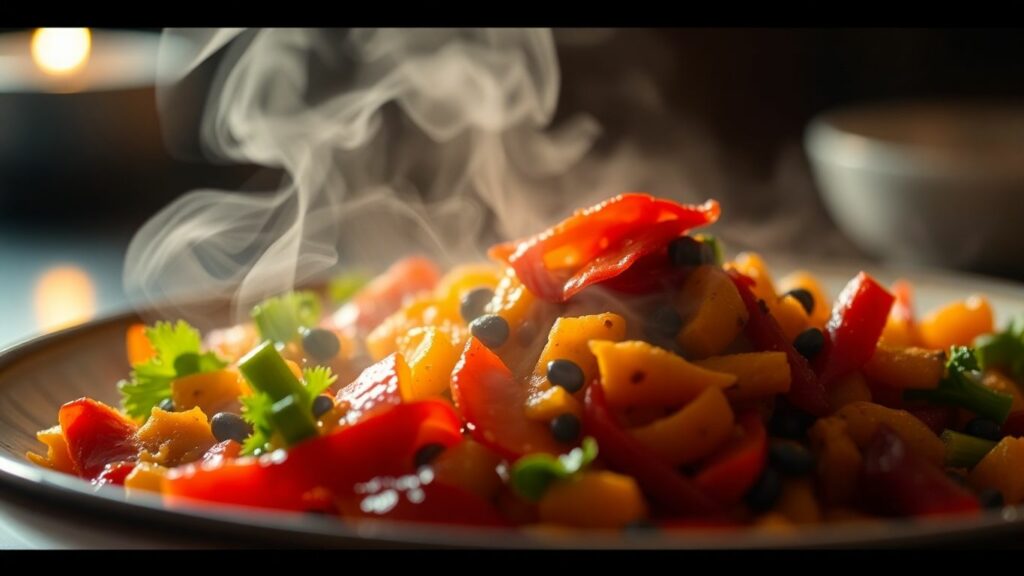
You know that movie scene that makes your mouth water? Or that dish that became as famous as the actor who ate it? So, behind every on-screen meal lies meticulous and creative work: cinematic food.
Culinary stylists are responsible for this work, transforming ingredients into characters. This ensures that each bite feels authentic and, most importantly, tells a part of the story. So, keep reading to learn more about how cinematic food is made.
The role of food in cinematic narrative
Food in movies goes far beyond simply filling the screen. It's a powerful tool filmmakers use to tell stories, revealing who the characters are, where they are, and what they're feeling. Think of that scene where someone eats alone, in silence: the dish and the way the person interacts with it say a lot about their loneliness.
Or, a lavish and boisterous feast that demonstrates family unity, even if no one says a word about it. Food can be a symbol of status, comfort, celebration, or even despair. It helps build the film's world, lending authenticity to scenes and creating a deeper connection between the audience and the characters.
Sometimes a simple sandwich or a cup of coffee carries enormous emotional weight, conveying feelings that dialogue alone couldn't. It's fascinating how something so common in our daily lives becomes so meaningful when placed under the spotlight of cinema.
The creation process
It all starts well before the cameras roll, right there in the script. It's the script that defines what will appear on the table. If the character is at a birthday party in the 80s, the food needs to reflect that era. If the scene is futuristic, the chefs' creativity goes a long way to creating something never before seen, yet still plausible in that universe.
So they research old photos, paintings, cooking magazines, and anything else that helps them get the look and feel right. It's almost a gastronomic detective work: think about the history of the dish, how it would be prepared at that time or place and how the character would interact with it.
Sometimes a simple sandwich requires 800 versions so the actor can eat it from every angle and repeat the scene multiple times. Chefs carefully plan every detail, from the color of a sauce to the way a piece of cake is cut, to tell part of the story.
Challenges and tricks in producing cinematic food
It's not just cooking; it's a true art that involves creativity, research, and complex decisions. Often, what works for the eyes isn't ideal for the palate, and chefs need to balance appearance, texture and durabilityThis ensures that the food can withstand multiple shots and different angles without losing its fresh and appetizing appearance.
A simple sandwich, a cup of coffee, or a lavish feast can symbolize solitude, togetherness, status, or celebration, becoming an essential part of the film's world-building. Chefs carefully consider every detail, from the color of a sauce to the way a piece of cake is cut, to convey meaning and authenticity.
To achieve this visual effect, they often come into play special effects techniques. What's more, cooks can modify ingredients with colorings, thickeners, or even inedible materials to create textures or movements that real food wouldn't allow, such as bubbling liquids or dishes that must remain untouched for hours.
Notable examples of cinematic food
Movies like “Ratatouille" show that food isn't just about the details: each carved vegetable tells the story of Chef Remy and his passion for cooking. In "Amélie," the famous rain cake required layers of real cake and even precise saw cuts, ensuring that the actors and extras could interact with it realistically.
Furthermore, in period productions, the challenge increases. To portray a dinner in the 18th century, it's not enough to simply cook typical dishes; necessary to research ingredients, preparation methods, and even how candle lighting would affect the appearance on screen. Every detail counts, from texture to color, to make the dish look authentic and inviting.
And when the actor has to eat, the challenge multiplies. Each bite needs to be remade from different angles, requiring new, identical dishes. In films like "Chef," for example, around 800 sandwiches were made to ensure each scene was perfect. This work requires dedication, research, creativity, and, of course, a lot of ingredients.
By the end of this exploration into the creation of cinematic food, it's clear that what we see on screen is the result of meticulous and multifaceted work. Finally, if you enjoy learning about the history behind it, check out the real secrets of an event that took cinemas by storm: Titanic.